
The contemporary world order is marked by heightened volatility arising from geopolitical conflicts, economic uncertainty, climate risks, and rapid technological disruption. This persistent state of flux has far-reaching consequences across sectors, and the real estate industry is no exception. Traditionally perceived as a stable and long-term investment class, real estate today is increasingly sensitive to global and regional instability.
Geopolitical tensions and shifting alliances directly influence capital flows. Foreign direct investment in real estate tends to decline during periods of uncertainty, as investors adopt a risk-averse approach and redirect funds toward safer or more liquid assets. Sanctions, trade restrictions, and changes in immigration policies further affect demand for commercial spaces, residential housing, and hospitality assets, particularly in global cities that rely heavily on international capital and workforce mobility.
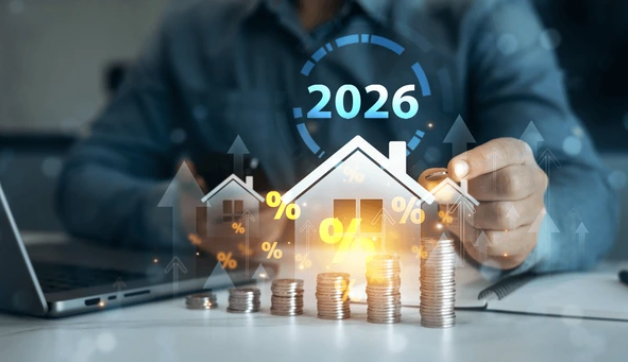
Macroeconomic volatility, including inflationary pressures and fluctuating interest rates, has a pronounced impact on real estate financing and affordability. Rising borrowing costs reduce purchasing power for homebuyers and increase operational costs for developers, often resulting in project delays or downsizing. At the same time, inflation can push construction costs upward, compressing margins and altering feasibility calculations.
The volatile world order has also reshaped occupier preferences. The post-pandemic shift toward remote and hybrid work models has reduced demand for traditional office spaces while increasing interest in flexible workspaces, logistics hubs, and data centers. Additionally, heightened awareness of climate and political risks is driving demand toward resilient, sustainable, and well-regulated markets.
In conclusion, while volatility poses significant challenges to the real estate industry, it also creates opportunities for adaptive players. Stakeholders who anticipate global shifts, diversify risk, and align with evolving economic and social realities are better positioned to navigate and thrive in an uncertain world order.



Leave A Comment